hibbins.org · projects & case studies

Bearnard Hibbins.

A long-time technology generalist. I have spent years across the whole of computing: hardware and operating systems, networks and infrastructure, backends, interfaces, and the product questions on top of all of it.

These days I build complete things end to end and run them in production. This is where they live.

~ — zsh
$ whoami
generalist

$ uptime
up a long time, load average: curious

$ ls -1 ~/projects
preppals/  ● live
next/      ○ building

$ 

01 · selected work

Things I have built, and run.

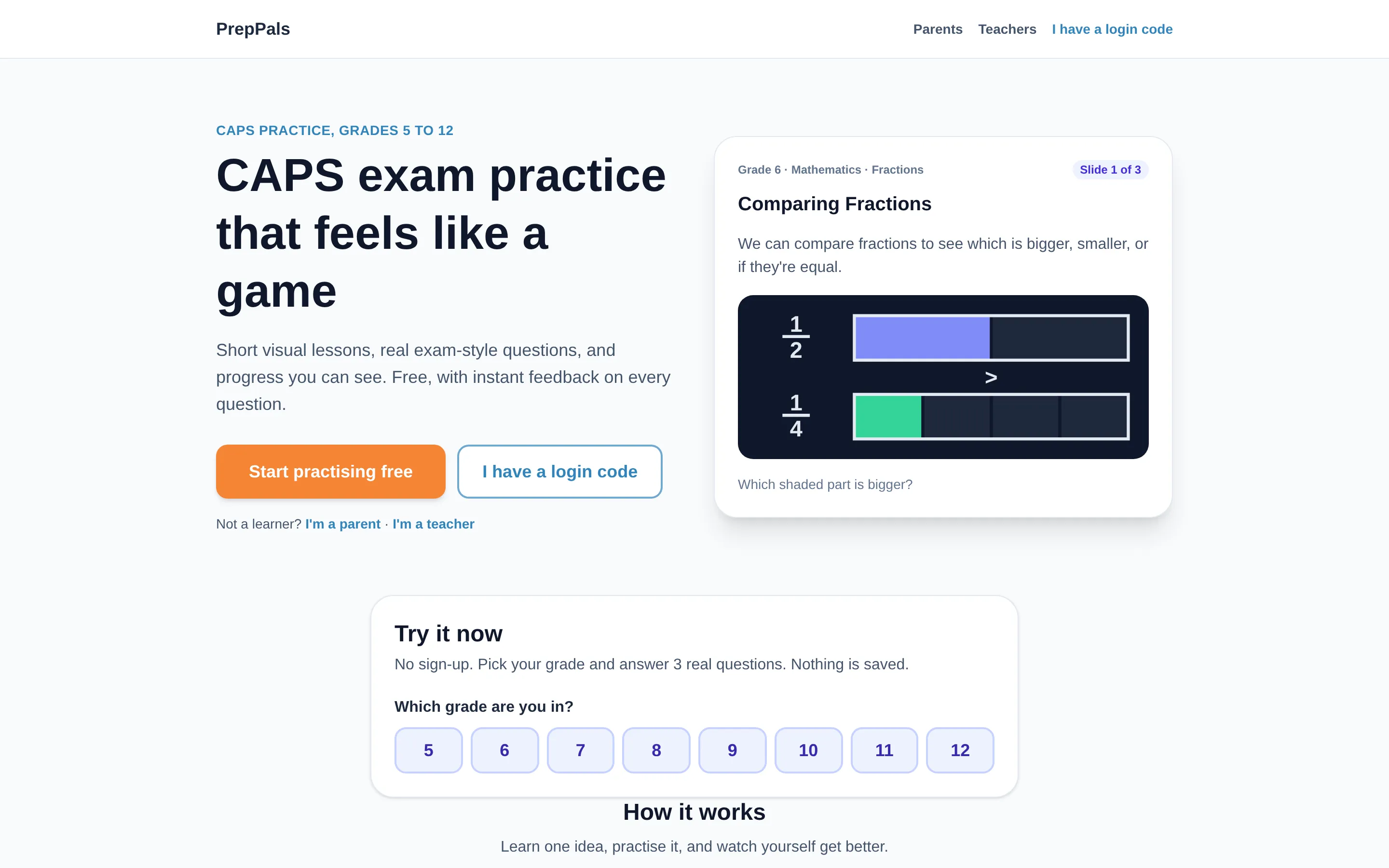
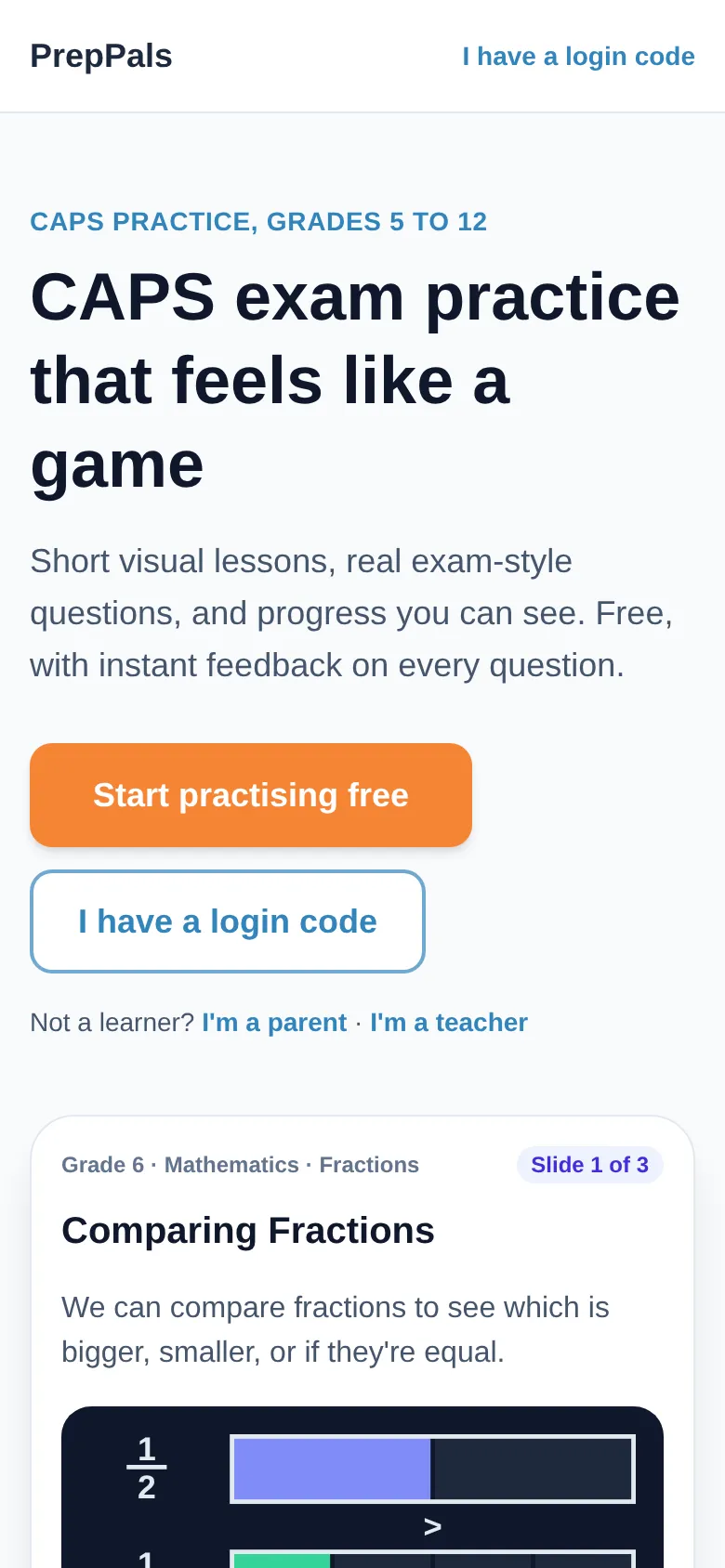
The PrepPals landing page, with the headline "CAPS exam practice that feels like a game" beside a real Grade 6 lesson slide comparing the fractions one half and one quarter.The PrepPals landing page on a phone.
liveEdTech · South Africa (CAPS curriculum)

PrepPals

CAPS exam practice that feels like a game.

A free practice platform for South African learners in Grades 5 to 12. Short visual lessons, exam-style questions with instant feedback, spaced review, and progress that parents and teachers can follow. One person, every layer, running on Cloudflare's edge.

grades, 5 to 12
8
subjects
25
CAPS topics
974
curated questions
8 055

02 · the whole stack

Full stack, actually full.

Most products cut across every one of these layers. A generalist's job is to be competent at all of them and to know which one the problem really lives in. Each project is tagged with the layers it reached.

  1. L7ProductWho it is for, what it must do, what waits. Pricing, privacy promises, the words on the page.preppals
  2. L6ContentCurriculum, copy, data pipelines, quality checks. The thing people actually came for.preppals
  3. L5InterfaceAccessible, fast, phone-first UI. Diagrams, motion, and the states nobody designs for.preppals
  4. L4ApplicationAPIs, auth, business rules, background jobs. Where correctness is decided.preppals
  5. L3DataSchemas, migrations, versioning, indexes. Keeping history honest and queries cheap.preppals
  6. L2Edge & networkDNS, TLS, caching, rate limits, routing. The layer between the user and everything.preppals
  7. L1OperationsDeploys, cron, backups, budgets, observability. Running it on a Tuesday night.preppals
  8. L0SecurityThreat models, trust boundaries, least privilege, reviews. Assume the client lies.preppals

03 · how I work

Generalist, by long habit.

The specialists go deep; I go across, then deep wherever the problem is. Four rules that show up in everything here:

  1. 01

    Own every layer

    A product fails at the seams between specialisms. Knowing the database, the network and the button lets you fix the problem where it actually is, not where your job title says it is.

  2. 02

    Write the decision down

    An ADR or a maintainer note for every sharp edge. Future me, and whoever comes next, should never have to reverse-engineer why.

  3. 03

    Spend like it is your money

    It usually is. Free tiers, static where possible, one Worker instead of a fleet. Constraints are a design tool.

  4. 04

    Assume the client lies

    Mark answers on the server, cap what the browser claims, keep private areas free of third parties, and test that it stays that way.